
My brain never stops. It’s a 24/7 information-processing factory and it exhausts me. I can’t honestly say I hate it, though. Being autistic means my pattern recognition and attention to detail are a force to be reckoned with.
Somewhat amusingly, given everything that’s happened, my former therapist often said how much she ‘loved’ my brain. I don’t think she realised back then what that same brain would do once it turned to forensically examining her conduct.
I’m still trying to work out whether the ‘beautiful brain’ comments were flattery or genuine appreciation. Either way, the way the therapy ended tells me she underestimated me.
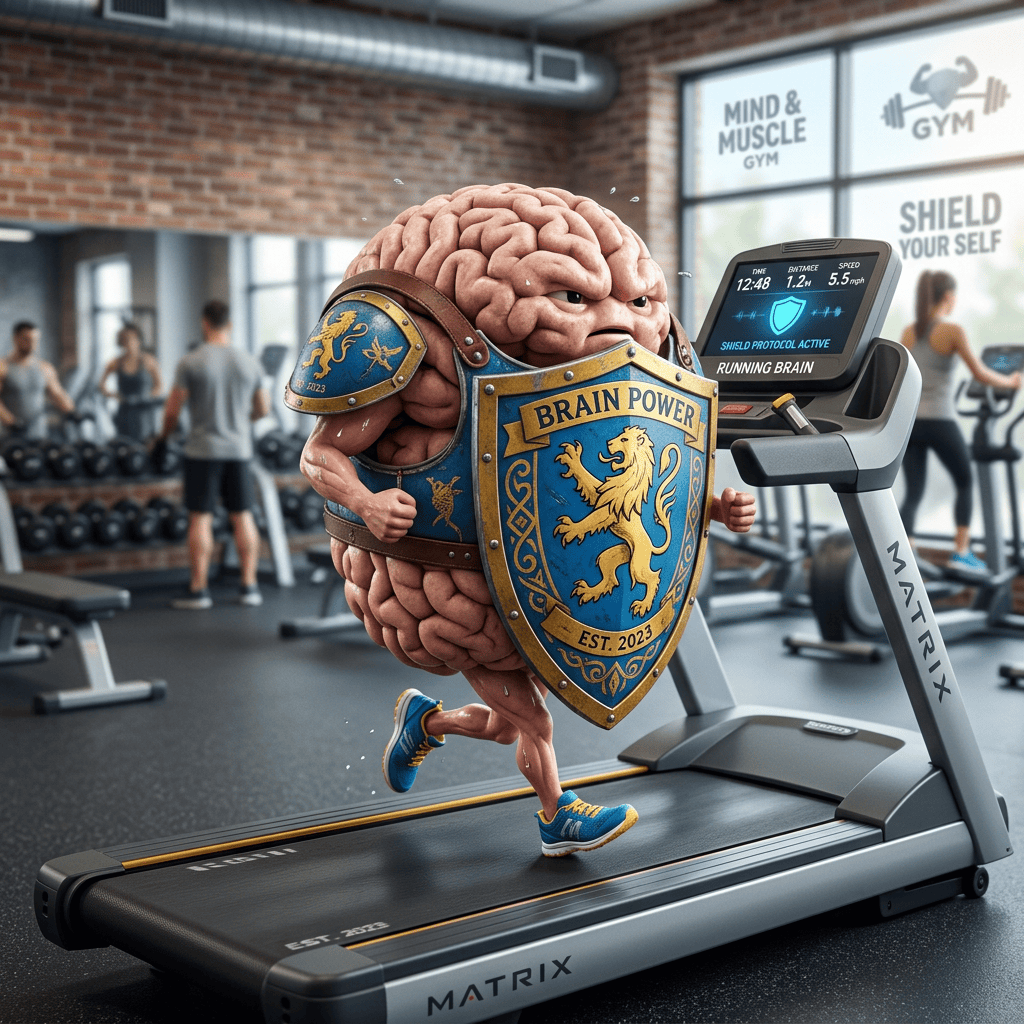
An autistic client with a severe eating disorder, in acute crisis, isn’t supposed to have much fight left. I audited three years of clinical care, analysed over 1,000 emails and put together a multi-concern regulatory complaint backed by detailed evidence. My pattern recognition became my shield.
In the immediate aftermath, though, I felt completely broken. My brain was stuck in a loop, running every interaction through the pattern-recognition machinery to answer one question: where did I go wrong?
That’s why I was so dysregulated. My pattern recognition was spinning its wheels, looking for logic in her behaviour that traced back to something I’d done. It wasn’t there. I hadn’t failed. However, as long as my hyperfocus was pointed at my own behaviour, my body stayed in distress, waiting for an answer that was never coming.
Things shifted when I pointed it outward, at the data.
When I stopped asking why she’d pulled away and started logging timestamps, measuring response times and cross-referencing, my body changed. The self-blame turned into steady focus. My heart rate came down. The anxiety petered out.
For years my body had felt unsettled because my nervous system was reacting to boundaries that kept shifting and intermittent reinforcement I couldn’t see clearly. The data finally gave my brain the pattern it had been looking for. It showed my instincts hadn’t been wrong. Her boundaries really were unpredictable.
Building that spreadsheet was for a regulator, but it was also the most grounding thing I’d done in years. Once the evidence was laid out in front of me, the hypervigilance went quiet. I wasn’t drowning anymore. I was standing on solid ground, looking at the pattern for what it was.


Leave a Reply